
Your neighborhood may have an eye-catching, durable sign, but how well can people see it? Lighting is an important consideration when choosing or updating your community’s sign.
People can probably see an unlit sign on sunny days, but you also want residents and new customers to find your neighborhood at night and through rain showers.
Proper lighting can help your sign look and perform its best. Believe it or not, details like the color of your lightbulbs or the location of your lights make the difference between a sign that “pops” and a sign that’s overlooked. Learn more about different lighting considerations to discover the best lights for your Florida neighborhood sign.
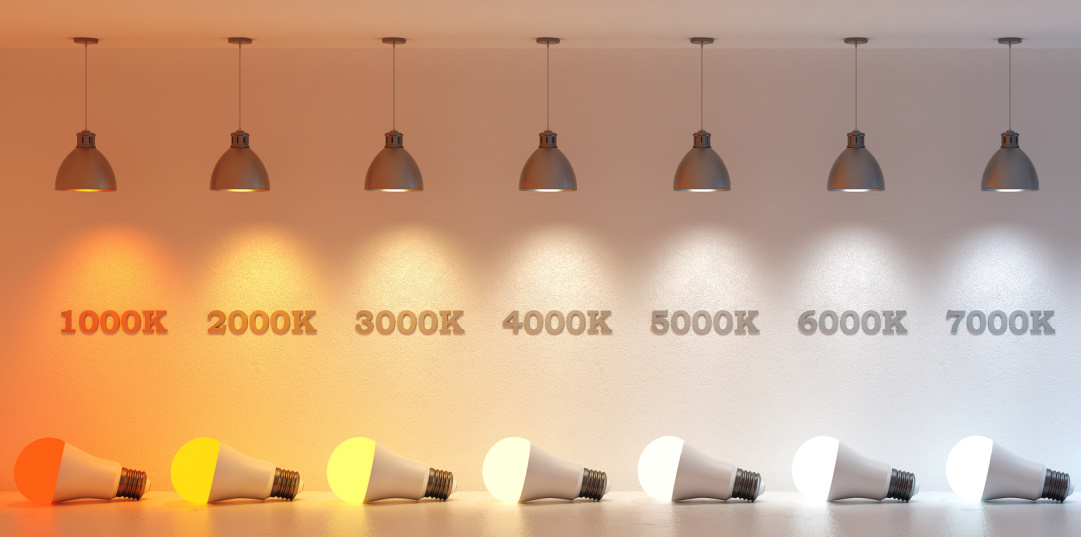
Kelvin Lighting Gives Signs True Colors
You may have noticed that different types of lightbulbs give off different tones of light. Consider car headlights that have a cool blue tone, in contrast to cars with warm golden lights. You might find that your clothing or makeup looks different in the lights above your bathroom mirror when compared to the lamps in your living room. Or think about adjusting the controls on your TV, computer, or smartphone to change how images look.
In all these situations, the lighting changes what you perceive. Lights have a color or temperature that’s measured on the Kelvin scale. Cool, blue tones are on the high end of the Kelvin scale and warm, amber lights are on the low end.
When you choose signage lighting, it’s imperative to pick lightbulbs with the best Kelvin temperature for your situation. The right temperature lights will show the true colors of your sign. Your reds look truly red, your logo is picture-perfect, and your entire sign appears vibrant instead of washed-out.
Proper lighting helps your community sign present a modern, professional appearance that reflects well on your neighborhood.
Light Positioning Helps Feature Your Sign
Lighting isn’t a one-size-fits-all situation. Outdoor signs benefit from a combination of light sources as well as Kelvin temperatures.
The position and angle of lights on your sign play an important part in its appearance. Neighborhood signs can feature a combination of ground-mounted lights, overhead lights, wall-mounted lamps, and even new LED backlights. Every aspect of your sign is clearly visible when you choose a variety of light sources.
Various temperature lights are also ideal for the different parts of your sign. Architectural details, such as the foundation and walls of your monument sign, look best with low-temperature Kelvin lights. Amber or golden lightbulbs help your hardscaped details glow at night.
Plants and landscaping, on the other hand, should have high-temperature Kelvin lighting. Cool blue lightbulbs mimic the midday light on a clear, sunny day. Choose these lights to show your sign’s natural elements in their most realistic and beautiful colors.
Don’t Be Fooled By Floodlights for a Sign
It might seem easy to install one floodlight for your entire sign, but this method can make your signage hard to read. A single floodlight might only light up one part of your sign. Adding other floodlights only causes shadows and distortions, so your sign is unreadable at night.
Using a single floodlight also removes your ability to use specialized Kelvin temperatures to accent different parts of your sign. Instead, choose a versatile mix of lights to properly accent your sign and your community.
Recent Comments